
Aspen Highlights & Updates
Aspen HR Achieves IRS Certification as a Certified Professional Employer Organization (CPEO) – The IRS CPEO program is a stringent, voluntary initiative established by the Internal Revenue Service to provide enhanced clarity and assurance for businesses partnering with PEOs.
This significant achievement underscores our unwavering commitment to financial integrity, tax compliance, and providing unparalleled support and protection to its clients! You can read our recent press release here.
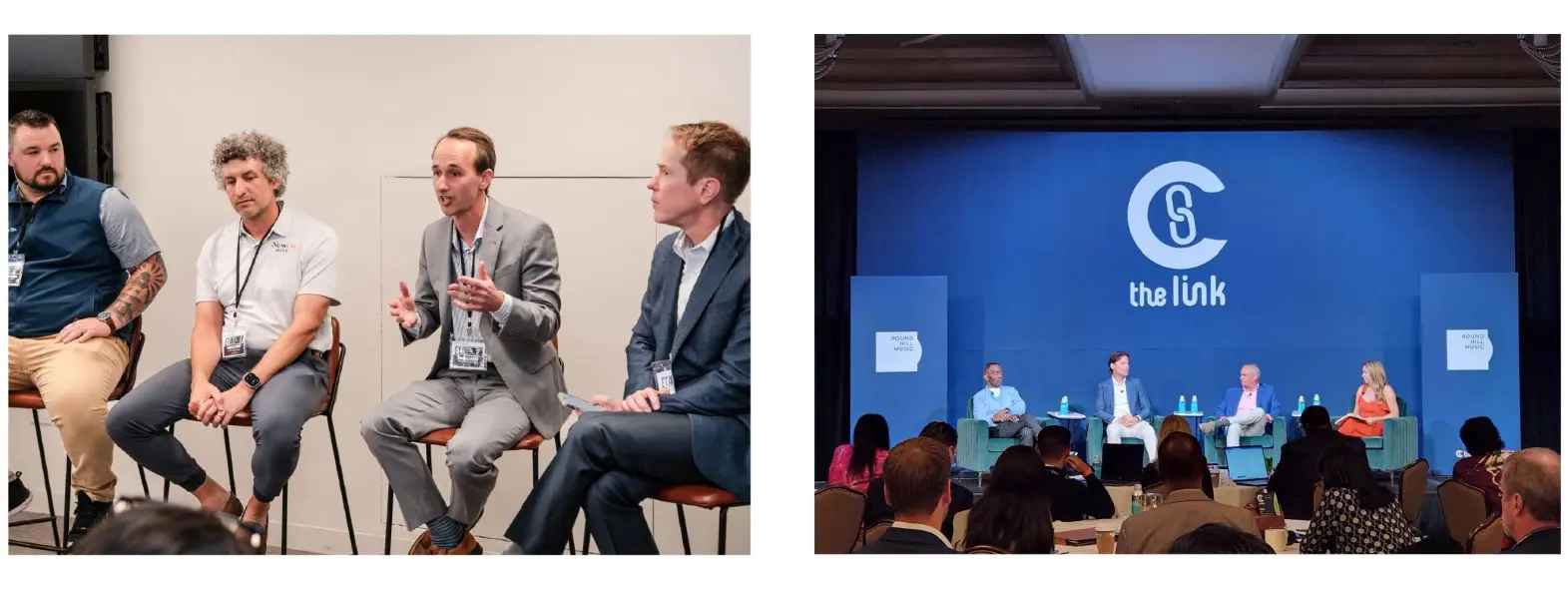
Industry Events – June has been an incredibly active and important month for the private equity and independent sponsor landscape, and Aspen HR is proud to be at the forefront, sponsoring and attending several key events:
- iGlobal’s 2nd Value Creation Summit on June 4
- The Link 2025 by CapSource Productions on June 14-17
- iGlobal’s Independent Sponsors & Capital Providers Dealmakers Meeting on June 17
- SBIA’s 2025 Independent Sponsor Forum Deal Series on June 25
Technology Update
iSolved System Update on June 27 – An iSolved system release is scheduled for Friday, June 27, which, among other updates, will add the ability for users to request time off and delete a pending request in the AEE Timecard. Aspen will distribute a newsletter during the week of each scheduled release, which typically occurs every 2 to 3 weeks. The newsletter will provide a high-level overview of the most critical updates and will be available upon login to the iSolved system for all client administrators.
New Aspenites
Please join us in welcoming two new Aspenites to our growing team!
- Tye Hernandez, Vice President, Private Equity & Venture Capital
- Cynthia Meyers, Payroll Specialist
HR and Legal Alerts!
New Laws for 2025 – July is the new January and is becoming an active time for compliance law updates. Below is a summary of many new nationwide laws and regulations that become effective in July 2025, unless stated otherwise. Please contact your Aspen HR representative for a more detailed analysis of any particular update. Please note that we cannot summarize every new compliance change, and this update is not intended to be legal advice.
July 1, 2025 Minimum Wage Updates:
- Alaska – $13.00
- California (Healthcare) Tier 1 – $24.00
- California (Healthcare) Tier 2- $18.63
- Alameda, California – $17.46
- Berkeley, California – $19.18
- Emeryville, California – $19.90
- Fremont, California – $17.75
- Los Angeles, California – $17.87
- Los Angeles County – $17.87
- Milpitas, California – $18.20
- Pasadena, California – $18.04
- San Francisco, California – $19.18
- Santa Monica, California – $17.81
- District of Columbia – $17.95=
- Chicago, Illinois – $16.60
- Oregon – $15.05
- Burlen, Washington (21-499 FTE in King County) – $20.16
- Everett, Washington (>501 Employees) – $20.24
- Everett, Washington (<500 Employees) – $18.24
- Renton, Washington (>500 Employees) – $19.90
- Tukwila, Washington (<500 Employees) – $21.10
July 1, 2025 Salary Exempt Pay Increases:
Alaska – Where employees must be paid on a salary or fee basis at a rate of not less than twice the state minimum wage for the first 40 hours of employment each week, excluding employer-furnished board or lodging, the weekly minimum salary will increase from $952.80 to $1,040 on July 1, 2025.
California – Where certain healthcare employees must earn a monthly salary equivalent to no less than 150% of the healthcare worker minimum wage or 200% of the general minimum wage –whichever is greater – for full-time employment (40 hours per week), the weekly minimum salary under Tier 1 will increase from $1,380 to $1,440 on July 1, 2025. Aspen recommends reviewing any healthcare employees exemptions in California. Please reach out to your HR Representative if you would like a review.
State-Wide Legal Updates:
Alabama – Starting July 1, 2025, Alabama employers must resume withholding state income tax from overtime wages paid to non-exempt employees since the temporary exemption under Act 2024-437 will sunset on June 30. Aspen will take the appropriate steps to effectuate this change in iSolved.
Alaska – Paid Sick Leave Accruals Begin. All employers in the state will be required to provide paid sick leave to nearly all employees, who will be entitled to accrue one hour of paid sick leave for every 30 hours worked. The law requires up to 40 hours of paid sick leave per year for employers with 15 or fewer employees and up to 56 hours of paid sick leave for larger employers. Sick leave carries over to the following year.
Arkansas – Effective August 4, 2025, the law authorizes an employer to disclose substantiated allegations of sexual abuse or harassment by a current or former employee to a prospective employer upon written consent from the current or former employee.
Colorado – Effective 8/6/2025, SB 144 extends the duration of paid family and medical leave for serious pregnancy complications or to care for a child receiving inpatient NICU care and changes the premium amounts that employees and employers pay to help finance FAMLI program benefits through calendar year 2026, specifically lowers premiums for employers and workers to 0.88% of wages. Additionally, effective July 1, the weekly FAMLI benefits max will increase to $1,381.45
Indiana – Protected Leave for School Meetings (SB 409). All Indiana employers will be required to allow employees to take unpaid time off, subject to certain conditions, to attend a school conference or meeting for their child. Prohibits employers from taking adverse action against an employee who is absent from work to attend a case conference committee meeting for the employee’s child.
Maryland – Non-Competes Banned or Restricted for Healthcare Employees. Maryland employers will be prohibited from entering into new non-compete agreements with healthcare professionals earning $350,000 or less. For healthcare professionals with higher annual compensation, the use of non-competes will be materially limited.
Effective 10/1/2025, establishes the Maryland Online Data Privacy Act of 2024, which requires businesses that collect personal data to conduct a regular assessment of activities that present a heightened risk of harm to consumers, including automated decisions and algorithms.
Massachusetts – Beginning October 29, 2025, the law requires employers with 25 or more employees (“covered employers”) to establish and disclose pay ranges in job postings and to employees. A “pay range” is “the annual salary range or hourly wage range that the employer reasonably and in good faith expects to pay for such a position at that time. Additionally, employees or prospective employees of covered employers have a right to know the pay range for a position when applying for a position, upon promotion, transfer, or beginning a new position, and on request for their current position. Covered employers are prohibited from retaliating against employees who seek to exercise their rights under the law.
The law also requires employers with 100 or more employees who are subject to the federal filing requirements of EEO Data Reports to submit their EEO Data Reports to the Secretary of the Commonwealth for transmission to the Executive Office of Labor and Workforce Development (EOLWD). This provision does not create any new workforce data collection requirements for Covered Employers. Employers who already submit the following reports to the EEOC will now submit these reports to the Secretary of the Commonwealth as well. Until October 29, 2026, covered employers will have two (2) business days to cure defects upon receipt of a Notice to Cure letter from the Attorney General’s Office.
New Hampshire – Accommodations for Breastfeeding Mothers (HB 358 (2023)). New Hampshire employers with six or more employees working in the state must adopt policies that provide sufficient space and reasonable break periods for nursing employees who need to express milk during working hours.
Nebraska – Effective 9/2/2025, Amends the Nebraska Healthy Families and Workplaces Act to exclude small employers and certain workers, set a waiting period for accrual, clarify the intersection with employer-provided PTO policies, and eliminate the private right of action. Entitles employees to paid sick time beginning Oct 1, 2025. More details to follow.
Nevada – Effective 10/1/2025, Modifies the number of hours minors under 16 may work per week; prohibits most 16 to 18-year-olds from working overnight hours on any night immediately preceding a school day. Effective 10/1/2025, requires an employer to allow an employee who is a volunteer member of the Nevada Wing of the Civil Air Patrol to take leave for training or emergency missions.
New York – Effective 7/2/2025, incorporates the New York State paid prenatal personal leave requirements into the New York City Earned Safe and Sick Time Act; affords employees a separate bank of 20 hours of paid prenatal personal leave.
Vermont – New Pay Transparency Requirements (H.704 (2024)). Vermont employers with five or more employees will be required to disclose compensation in most job postings.
Expanded Employee Access to Unpaid Leave (H.461). Changes to the state’s Parental and Family Leave Act will provide equal access to caregiving leave to LGBTQ+ families, workers with low income, and individuals in nontraditional family structures. The update also broadens parental leave to include an employee’s recovery from childbirth or miscarriage, or to care for a foster child, and gives covered employees the right to safe leave, bereavement leave, and qualifying exigency leave.
Virginia – Expansion of Non-Compete Ban (SB 1218). Starting July 1, Virginia employers will be prohibited from entering into or renewing non-compete agreements with employees entitled to overtime pay under the federal Fair Labor Standards Act. This latest change is in addition to the existing ban protecting “low-wage” employees.
Washington – Expansion of the Equal Pay and Opportunities Act (HB 1905 (2024)). New protected classes under Washington’s pay transparency law will include age, sex, marital status, sexual orientation, race, creed, color, national origin, citizenship or immigration status, honorably discharged veteran or military status, or the presence of sensory, mental, or physical disability or the use of a trained dog guide or service animal by a person with a disability.
New Immigration-Related Protections (SB 5104). A new law will protect employees from coercion in the workplace based on immigration status, and violations may result in civil penalties for the employer.
Requires employers to provide a copy of a personnel file to an employee or former employee upon request; defines “personnel file.”
Effective 7/27/2025, Prohibits an employer from rejecting an applicant for failure to disclose a criminal record or from taking adverse employment action based on an employee or applicant’s arrest record or juvenile conviction record.
Effective 7/27/2025, requires an employer to allow an employee to use paid sick leave to prepare for or participate in certain immigration proceedings.
Effective 7/27/2025, Washington SB 5525 sets notice requirements for businesses closing or mass layoffs. Please see our May 2025 Aspenite for more information or reach out to Aspen’s HR Consultant.
Wyoming – Sweeping Non-Compete Ban. Most non-compete agreements will become void and unenforceable.
~
You can find more legal updates here (fisherphillips.com) and here (littler.com).
Have questions? Don’t hesitate to contact our team.